We are happy to announce that we're celebrating 30 years! →

Articles Posted in Food Safety

Published on:

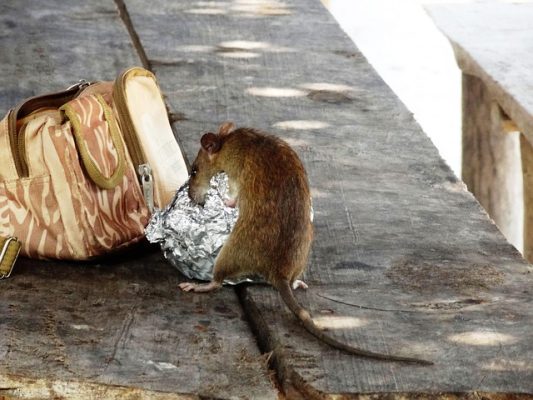
rat-1979242_640-e1768092008937Recently, unsanitary conditions were discovered at a storage facility, causing the recall of hundreds of products that were distributed to 50 stores in North Dakota, Minnesota and Indiana. These conditions included contamination from rodent urine and feces and bird droppings in locations where many different kinds of products, including drugs, medical devices, food, pet products and cosmetics were stored. If you have bought any of the affected products in those states, you’re advised not to use the product, since serious health risks, including Salmonella, could ensue from usage. If you are concerned that you were harmed by one of the affected products that were recalled and need to figure out whether you have grounds to sue, you should call the seasoned Chicago-based product liability lawyers of Moll Law Group. Billions have been recovered in litigation with which we’ve been involved, and we represent clients around the country.
Call Moll Law Group About Your Claim

Gold Star Distribution, Inc. has recalled hundreds of different grocery items and products because of unsanitary conditions at its storage facility in Minneapolis. There are so many products that they are listed over 44 pages, so they cannot all be listed here. However, some well-known products that are affected include Dole pineapple slices, Haribo products, Gummi savers, Maruchan ramen, Jolly Ranchers, Saltine crackers, many flavors of Pringles, Quaker products, Werther’s, Lifesavers, Hershey’s products, Enfamil infant formula, Reese’s products, Arizona iced tea, and more.

Consumers may face serious health risks as a result of exposure to the affected products. Even contacting packaging that’s been contaminated with rodent droppings can result in someone getting sick; rodents carry Leptospira, which is the bacteria that causes leptospirosis. If someone develops leptospirosis that goes untreated, he or she can suffer kidney damage, liver failure, meningitis, difficulty breathing or even death. Symptoms can include rash, chills, headache, jaundice, body or muscle aches, red eyes, nausea, vomiting, stomach pain, and diarrhea.

Continue reading →

Published on:

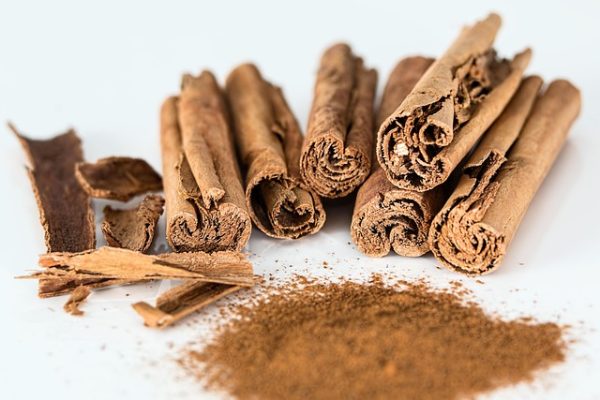
cinnamon-stick-514243_640-e1765128191350The United States Food and Drug Administration has expanded a ground cinnamon recall to 19 brands of cinnamon after they were found to perhaps contain dangerous levels of lead. Some of these brands were distributed in Illinois and sold around the Midwest. The two Illinois distributors on the list were Raja Foods LLC and Asli Fine Foods. The FDA asked consumers to throw away and not buy the ground cinnamon products that are the subjects of the recall. Generally, cinnamon has a long shelf life, so consumers should check their shelves for cinnamon they’ve had awhile to determine whether it’s subject to the recall. If you or your child was exposed to lead in cinnamon and experienced harm, you should call the seasoned Chicago-based product liability lawyers of Moll Law Group. Billions have been recovered in cases with which we’ve been involved.
Call Moll Law Group About Cinnamon Claims

The FDA plans to update the recall alert as needed if they find that other products also contain elevated lead levels such that product exposure is dangerous. Here are the brands of cinnamon that have been recalled:

  • Venzu Traders cinnamon distributed by Venzu Traders, LLC
  • DEVI cinnamon distributed by Homeneeds, Inc
  • BaiLiFeng cinnamon distributed by Good Way Trading Group Inc.
  • Roshni cinnamon distributed by Singh Trading Inc. dba Roshni Foods
  • Haetae cinnamon distributed by Haitai Inc. USA
  • Durra cinnamon distributed by Eureka Inc. USA
  • Wise Wife cinnamon distributed by SLR Food Distribution Inc.
  • Jiva Organics cinnamon distributed by Spicy World of USA
  • Super Brand Cinnamon distributed by IHA Beverage Commerce, CA
  • Asli cinnamon distributed by Sands Impex Inc. dba Asli Fine Foods
  • El Chilar cinnamon distributed by El Chilar Apopka FL/El Chilar HF LLC
  • Marcum cinnamon distributed by Moran Foods LLC
  • SWAD cinnamon distributed by Raja Foods, LLC
  • Supreme Tradition cinnamon distributed by Greenbrier International Inc.
  • Compania Indillor Orientale cinnamon distributed by MAMTAKIM, Inc.
  • ALB Flavor cinnamon distributed by ALB-USA Enterprises Inc.
  • Shahzada cinnamon distributed by Advance Food International, Inc.
  • Spice Class cinnamon distributed by American Spices LLC, NY
  • La Frontera cinnamon distributed by La Frontera Imports.

These brands of cinnamon have different concentrations of lead. BaiLiFeng, for instance, has a lead concentration of 10.7. One type of Superbrand cinnamon has a concentration of 7.68.

Continue reading →

Published on:

chicken-breast-279849_640-e1762394698889Hormel Foods recently recalled 4,874,815 pounds of frozen chicken after multiple complaints were made by consumers who discovered fragments of metal in their frozen chicken breasts and chicken thighs. The chicken was marketed as Hormel Fire Braised and had been distributed to food service operators to be sold to hotels and other companies but hadn’t been purchased by the general public. The chicken was distributed to HRI Commercial Food Service locations around the country between February 10 – September 19. Luckily no injuries or illnesses have been reported thus far. If you were injured by frozen chicken, you should call the seasoned Chicago-based product liability lawyers. Billions have been recovered in cases with which we’ve been involved.

Call Moll Law Group About Your Frozen Chicken Claim

The foods that were recalled were the following:

  • 8 lb. cases of “Fire Braised Chicken Breast 4 oz.,” with item code 46750 printed on the package label.
  • 9 lb. cases of “Fire Braised Chicken Thigh” with item code 65009 printed on the package label.
  • 8 lb. cases of “Fire Braised Chicken Breast 3 oz.” with item code 77531 printed on the package label.
  • 8-lb. cases containing Fire Braised all-natural boneless chicken breast 5-oz,” with item code 86206 printed on the package label.
  • 95-lb. cases containing “Chicken Breast with Rib Meat” with item code 134394 printed on the package label.

The products contain the establishment number P-223 inside the USDA mark of inspection.

Continue reading →

Published on:

splashing-165192_640Recently, the popular alcoholic beverage maker High Noon had to recall certain alcoholic seltzer products that were incorrectly labeled as nonalcoholic Celsius energy drinks. The recalled Beach Variety 12 packs had been mislabeled as Celsius Astro Vibe Sparkling Blue Razz Edition cans. Drinking what’s in the can will result in accidental consumption alcohol, which could cause significant problems for the unsuspecting consumer. If you or a loved one were injured as a result of consuming an improperly labeled High Noon alcoholic beverage, call the seasoned Chicago-based product liability lawyers of Moll Law Group. Billions have been recovered in defective product lawsuits with which we’ve been involved.
Call Moll Law Group About Your High Noon Seltzer Claim

Mislabeled 12-packs were sent to stores in eight states between July 21-July 23. They went to distributors and retailers in Florida, New York, Ohio, Oklahoma, South Carolina, Virginia, and Wisconsin. They were sent only to distributors in Michigan and Oklahoma.

The recalled High Noon Beach Variety Packs, which are 12-packs of 12 fluid ounce cans, have the following lot codes on the exterior of the 12-pack box: L CCC 17JL25 14:00 to L CCC 17JL25 23:59 and L CCC 18JL25 00:00 to L CCC 18JL25 03:00. The recalled Celsius Astro Vibe Sparkling Blue Razz Edition, consisting of 12 fluid ounce cans, have the following lot codes on the bottom of the cans: L CCB 02JL25 2:55 to L CCB 02JL25 3:11.

Continue reading →

Published on:

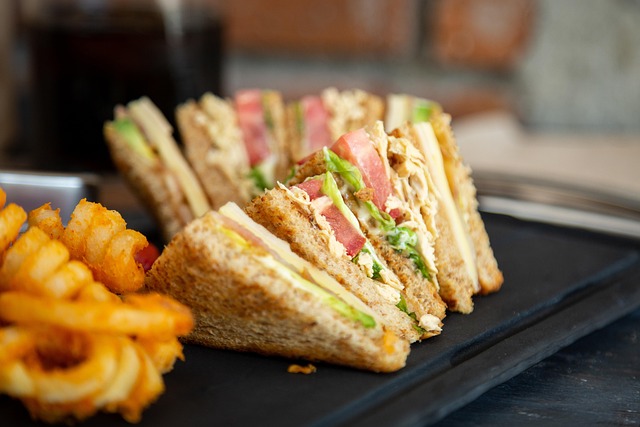
sandwich-4638226_640Recently, Fresh & Ready Foods, LLC voluntarily recalled certain ready-to-eat sandwiches and snacks that were sold in California, Washington, Arizona and Nevada due to potential Listeria monocytogenes contamination. These were sold under the brand names Fresh & Ready Foods, Fresh Take Crave Away, and City Point Market Fresh Food to Go and distributed between April 18, 2025-April 28, 2025, in various facilities, buildings and corporate offices. The contaminated food has use-by dates from April 22, 2025- May 19, 2025. If you were harmed by Listeria-contaminated food, you should call the seasoned Chicago-based product liability lawyers of Moll Law Group. Billions have been recovered in cases with which we’ve been involved around the country.

Call Moll Law Group About Your Listeria Fresh & Ready Foods Claim

This issue was identified through environmental monitoring conducted by the FDA during a site inspection, which resulted in a positive finding for Listeria monocytogenes on a piece of equipment. Fresh & Ready Foods has taken immediate corrective actions including removing equipment to address this issue to ensure ongoing food safety and compliance with FDA guidance.

Listeria monocytogenes is an organism that can cause serious and sometimes fatal infections in young children, frail or elderly people, and others with weakened immune systems. Although healthy individuals may suffer only short-term symptoms such as high fever, severe headache, stiffness, nausea, abdominal pain and diarrhea, a Listeria monocytogenes infection can cause miscarriages and stillbirths among pregnant women.

Continue reading →

Published on:

tomatoes-769999_640Two brands of tomatoes from Williams Farms Repack, LLC were recalled in May in 14 states because of the risk of salmonella contamination. A little over a month ago, the recall was elevated to a Class I recall—meaning that the tomatoes carry a deadly risk. The affected tomatoes include 3 count packages, 10-pound boxes, 25-pound boxes and 60-count 2-layer boxes. One set of recalled tomatoes were four-count Vine Ripe tomatoes sold by Gordon Food Service Stores in 11 states, which included Illinois. Salmonella contamination can affect many different kinds of food, and it’s important not to consume food recalled due to salmonella, particularly food subject to a Class I recall. If you suffered salmonella or a lost a loved one due to salmonella contracted from food, you should call the seasoned Chicago-based product liability lawyers of Moll Law Group. Billions have been recovered in cases with which we’ve been involved and represent clients around the country.
Call Moll Law Group About Your Salmonella Tomato Claim

Salmonella can range from mild to serious. Symptoms include abdominal pain, diarrhea, nausea, vomiting, and fever. When it’s serious—as when the tomatoes have been subject to a Class I recall—people who are infected by need to be hospitalized. The infection could cause arthritis, endocarditis, and arterial infections. Members of vulnerable groups, such as small children, frail elderly people, and others who are immune-suppressed or have a weakened immune system, may die. In this case, the FDA said that no illnesses had been reported from the tomatoes thus far, but recommended consumers toss out the tomatoes or return them if unopened. If you bought these tomatoes and froze them, they should not be consumed.

The tomatoes initially at issue were sold in plastic clamshells with “VINE RIPE TOMATOES” printed on the label. Labeling also includes the words “Packed by Ray & Mascari Inc.” They were distributed between April 23-28, 2025, the FDA explained in a separate notice. But the tomatoes subject to a Class I recall come in a range of sizes: 4×5 2 layer, 60ct 2layer, 3ct trays in the Williams Farms Repack label, and 5×6 25lb, 6×6 25lb H&C Farms Label.

Continue reading →

Published on:

ground-meat-1747910_640-e1750627449467The United States Department of Agriculture’s Food Safety and Inspection Service (FSIS) recently issued a public health alert for one-pound vacuum packed packages of Organic Rancher 95% lean and 15% fat ground beef. These were products sold at Whole Foods Market that carry the risk of E. coli O157:H7 contamination and have a use or freeze-by dates of June 19 or June 20. If you were made sick by Organic Rancher ground beef, you should call the seasoned Chicago-based product liability lawyers of Moll Law Group.
Consult Moll Law Group About Your Food Safety Claim

The raw ground beef product was made on May 22, 2025, and May 23, 2025, by Organic Ranger. In Illinois and other states, the products were available from May 26 through June 3. The label on the vacuum-packed containers of raw ground beef has expiration dates of June 19, 2025, and June 20, 2025. Because the beef isn’t available in stores anymore, the FSIS issued a public alert rather than a recall. In addition to being shipped to Illinois, the ground beef was also shipped to Connecticut, Georgia, and Maryland, as well as Whole Foods Market retail locations around the country. The vacuum-packed packages were processed in Vermont and have an establishment number Est. 4027 inside the USDA mark of inspection.

The FSIS warned consumers to only consume ground beef cooked to an internal temperature of at least 160 degrees Fahrenheit.

Continue reading →

Published on:

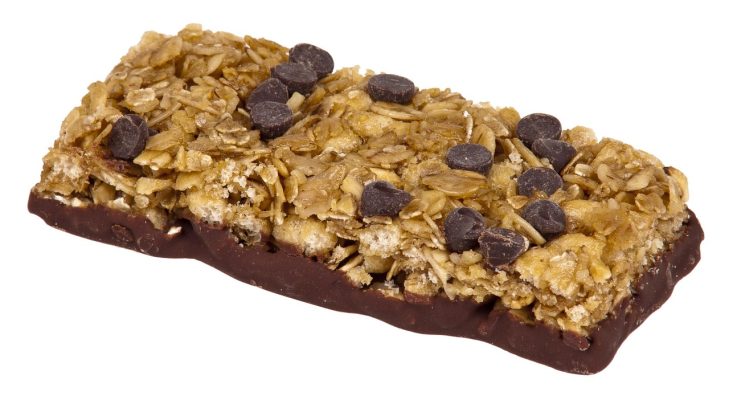
According to the Food and Drug Administration (FDA), on December 9, 20240food-2202344_1280-e17416582561004, the Chicago-based company Riverside Natural Foods voluntarily recalled over 2.4 million cases of the popular MadeGood granola bars because of the potential presence of metal in the bars. These bars have been sold across the country. If you were harmed by unsafe food call the seasoned Chicago-based attorneys of Moll Law Group to find out your legal options. Billions have been recovered in cases with which we’ve been involved.
Call the Lawyers of Moll Law Group About Your Granola Bar Claim

The Class II recall applies to several different kinds of MadeGood granola bars, which have been touted as healthier allerge-free and organic snack alternatives. The affected bars were made between January-November 2024 and were distributed across the country and internationally.

Class II recalls are instituted when the recalled products can cause temporary or medically reversible adverse health consequences. The manufacturer claims that the recall has been initiated out of an abundance of caution.

Continue reading →

Published on:

chocolate-smoothie-1058191_640-e1741658058922A multistate outbreak of listeria monocytogenes has impacted frozen supplement shakes made by Prairie Farms. As of February 21, 2025, 38 people have been infected by the outbreak across 21 states. On February 22, 2025, Lyons Magnus LLC recalled affected Prairie Farms supplement shakes and people were advised not to sell, eat or serve them. The Centers for Disease Control (CDC), along with officials have been gathering data to figure out the causes of this outbreak. If you were harmed by supplemental shakes contaminated with listeria monocytogenes, you should call the knowledgeable Chicago-based food safety lawyers of Moll Law Group. Billions have been recovered in cases with which we’ve been involved.

Call Seasoned Moll Law Group About Your Supplement Shake Claim

As of February 21, 2025, 38 people infected with the outbreak strain of Listeria monocytogenes have been reported from 21 states. Sick people’s samples were collected on dates ranging from August 17, 2018, to January 23, 2025. Of 38 people with information available, 37 have been hospitalized. Twelve deaths have been reported from California, Illinois, Indiana, Michigan, Minnesota, North Carolina, New York, Tennessee, Texas, and Washington. Most people in this outbreak reported living in long-term care facilities or were hospitalized prior to becoming sick.

Not everyone reports when they’ve been affected by Listeria (and not everyone gets tested for it). Accordingly, it’s possible there are more sick people than were originally counted.

Continue reading →

Published on:

red-3270956_640-e1739031721374Red No. 3 is used as bright red artificial coloring in candy, cereal, fruit cocktails, strawberry-flavored milkshakes, and other foods and beverages. It’s ubiquitous. And so it’s alarming that data has surfaced that the dye can cause cancer in lab animals; specifically, evidence reveals that lab male rats exposed to heightened Red No. 3 levels developed cancer.

The FDA recently banned use of Red No. 3, but the Center for Science in the Public Interest has commented that it exists in thousands of—a whopping 9200—products. Notably, the FDA isn’t banning Red No. 40, another artificial dye linked to problems, specifically behavioral ones, in kids.

Food manufacturers can take until Jan. 15, 2027, to reformulate their products, which means consumers should be alert to ingredient lists and avoid products with Red No. 3. Those manufacturers of ingested drugs that include Red No. 3 such as supplements have until January 15, 2028.

Continue reading →

Contact Information