 Illinois Injury and Mass Tort Lawyer Blog
Mamisan Lidocaine Ointment Containers Are Recalled by Plantimex


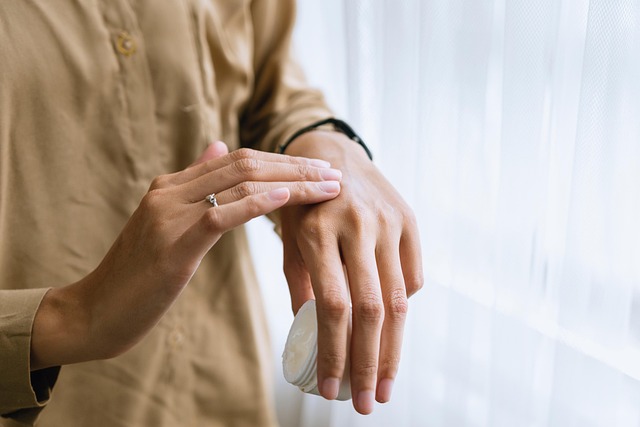 On December 18, 2025, Plantimex, the manufacturer, recalled Mamisan lidocaine ointment containers because of a risk of serious injury or death from child poisoning, resulting from a violation of the mandatory standard for child-resistant packaging. The Poison Prevention Packaging Act requires that lidocaine be in child-resistant packaging to prevent the possibility of a young child swallowing it. If your child was harmed by lidocaine ointment, call the experienced Chicago-based product liability lawyers of Moll Law Group about whether you have grounds to sue. Billions have been recovered in litigation with which we’ve been involved.
Call Moll Law Group About Your Lidocaine Claim
Around 50,330 units of Mamisan Pain Relieving Topical Ointment jars with the UPC code 860006498115 were recalled. The 3.52-ounce plastic jar that holds the ointment is orange. It has a white continuous thread lid with the Mamisan trademark printed on top of the lid and label. There is also a wraparound label that has instructions and facts printed on it.
If you purchased one of these jars, you’re advised to secure the recalled jars out of children’s sight and reach. You can get a free child-resistant replacement lid from Plantimex. The product can continue to be used once the replacement lid has been put into place.
 Recently, Tesla
  Recently, Outdoor Master children’s and youth helmets that violated the mandatory safety standard for bike helmets were
  On November 26, 2025, the KingPavonini Adult Portable Bed Rails were
  Thirty-nine infants have been hospitalized with botulism, which can be fatal, and officials have linked their illness with ByHeart Whole Nutrition Infant Formula. The infants range in age from 16 to 264 days. There have been no deaths so far. All ByHeart baby formula has been
  On October 7, Teva Pharmaceuticals
  Over 15,000 packages of
 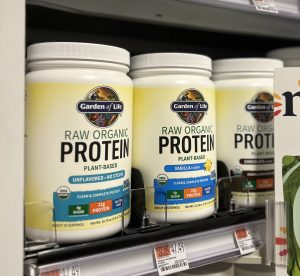 A Consumer Reports investigation found that some protein shakes and powder include dangerous levels of lead. The
 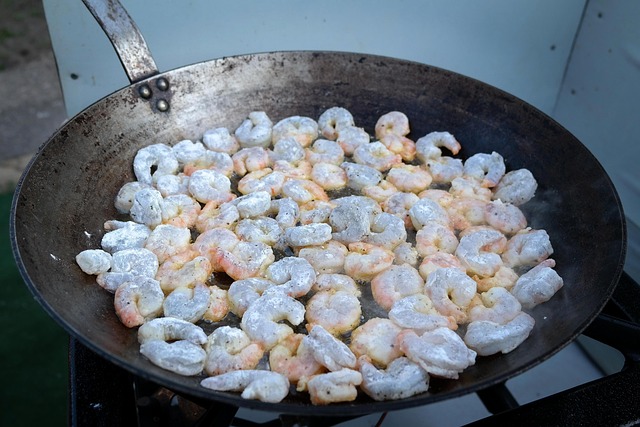 Southwind Foods, LLC has had a series of recalls due to possible radionuclide (Cesium-137) contamination. There are widespread traces of Cs-137 in the environment, but they can be found in higher levels in water or food that’s been produced in an area that is environmentally contaminated. Repeated low-level exposure to contaminated food or water can be dangerous because it can elevate the risk of cancer. If you believe you were harmed by
 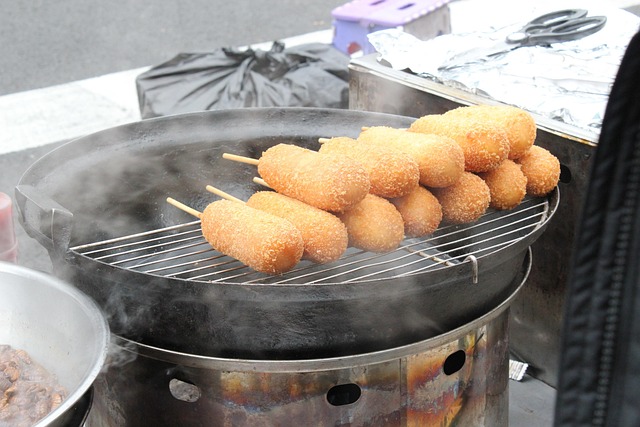 Hillshire Brands Company recently issued a